
By Tina Gunnarsson CEng MICE, EAP Board Member
The theme this Earth Day is (still) Our Power, Our Planet. A play on last year’s theme with the exact same wording, only in 2025, the focus was on renewable energy. This year, it’s about progress being driven by mobilizing communities and local everyday action at scale, not relying on a single political administration.
And I think it’s very apt – lately, it’s almost been taboo in some conversations to talk about sustainability or climate – ‘greenhushing’, if you will. Governments are backtracking on their sustainability commitments, instead of embedding them as foundations into policies. Yet, a survey of 400 US organisations found that 87% are maintaining or increasing sustainability investment, whilst 31% are reducing external messaging. But talking less about the problem isn’t going to make it go away. I’ve recently encountered three thinking traps in sustainability conversations that seem to hinder environmental progress at individual level – climate anxiety, discounting professional influence, and perfectionism – and how to reframe these into purposeful action.
Climate Anxiety is an Occupational Hazard
It’s easy to feel like individual actions don’t matter, especially when large corporations and privileged individuals have higher emissions than entire nations. Through Cambridge Institute for Sustainable Leadership, I came across a relatable phrase: ‘Climate anxiety is an occupational hazard’. It’s true – trying to tackle a complex and global ‘super wicked problem’ can be overwhelming. The good news? It’s not about individual, but collective action. More and more people are acquiring ‘green skills in non-green roles’, according to LinkedIn’s Green Skills Report. Sustainability is no longer a niche skill that’s only for sustainability professionals – it’s increasingly embedded into everyone’s roles, like safety. Collective action makes a complex challenge easier to solve.
If you’re reading this, there’s a high probability that you are in the top percentiles of people who have privilege – to the internet, to education and knowledge, and to free time to read this article. Put into perspective, your choices and your actions do matter.
Professional handprints can exceed personal footprints
There’s also a high likelihood that you’re an engineering professional working with the built environment, or an adjacent industry. In which case your professional actions, or your handprint, far exceeds that of your own personal carbon footprint. Construction and infrastructure alone is responsible for 37% of global emissions. The decisions and actions we take in our professional work on a daily basis, the projects we choose to work on, where we focus and contribute knowledge, can all have a significant impact. Whether that’s on a major project constructed once, or on many small interventions like CoST or a simple trail bridge scaled hundreds or thousand times over.
This is where organisations such as Engineers Against Poverty are powerful, who can speak up and define what needs to change. Organisations, businesses and administrations can use their systems to figure out how to turn that into deliverable action. It might not be glamorous. It might be using frameworks, strategies and planning to make better choices. It might be using tools we already have, to think slightly differently. Helen Walter-Terrinoni at Trane Technologies phrases it well – ‘we believe that one company can change an industry and one industry can change the world.’ So whether you’re setting direction, implementing action, or something else entirely – you have the power to make good decisions that make the planet a better place.
Imperfect Action is better than perfect inaction
Finally – it’s not all or nothing. Sophia Hurst, intern at Earth Day, captures it perfectly in her article: Why Imperfect Climate Action Is Better Than Perfect Inaction: ‘The climate crisis is not going to be solved by a handful of perfectly sustainable individuals. It will be addressed by millions of people taking imperfect, meaningful action together.’ How can you embed something sustainable into your daily role and routine? And align it so that we’re all moving in the same direction?
In a world of growing climate anxiety and feeling like personal impact is diminishing, I think it’s time to continue speaking loudly and proudly about how we are taking care of nature, climate and communities. As engineers, we are uniquely positioned to shape better outcomes for people and the planet. Our actions, collectively, can have a big impact, so let’s use that power for good.
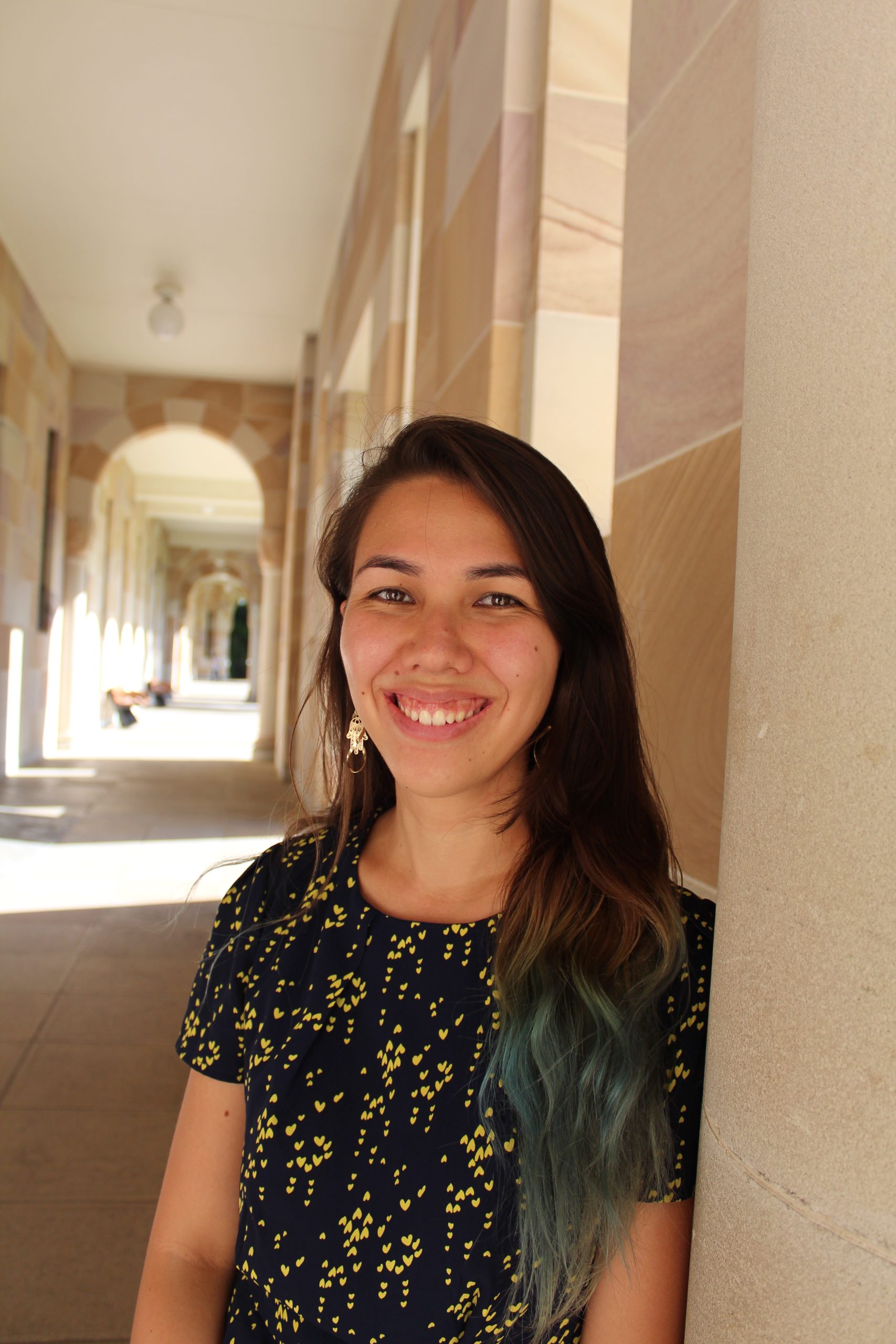 Tina Gunnarsson CEng MICE is a Chartered Civil Engineer with a passion for a climate and people positive future. She works in Rwanda as East Africa Corporate Manager and Sustainability Lead for Bridges to Prosperity, constructing trail bridges to connect communities and end poverty caused by rural isolation. She has won several awards for her work, including Best Woman Civil Engineer at the WICE Awards and the James Rennie Medal from the Institution of Civil Engineers.