By Richard Threlfall, Chair of Engineers Against Poverty
Infrastructure is the foundation of our civilisation. For the truth in that, just consider a life without infrastructure. A life without schools and hospitals. A life without heating, cooling and electric light. A life without treated water, roads and trains. Idyllic, sometimes, in our imagination. But fundamentally a life that takes us back to nomadic, subsistence farming. A life nasty, brutish and short.
For most of the world’s population today, infrastructure has freed us from basic wants and allowed us to enjoy a quality of life that was unimaginable only a few hundred years ago. But this quality of life is not evenly spread. Around 700m of the world’s 8.2bn population still live in extreme poverty.
And over recent years we have woken up to the shocking reality that much of the infrastructure on which our lives now depend is jeopardising the very future of humanity. Infrastructure is responsible for around 70% of all the world’s carbon emissions, so decarbonisation, at pace, is an imperative for our energy, transport and built environment industries.
These needs mean that the world’s demand for infrastructure investment is today at an historic high. McKinsey has recently estimated the total sum required at over $100 trillion between now and 2040; an amount so large that few of us can comprehend it, but roughly equal to the entire economic output of the world last year.
There isn’t enough money in the world to meet these needs. So, we can’t afford to waste a single penny. The efficient development of infrastructure investment is the most critical challenge of our time.
This is, in a nutshell, the way I see the world today, and what has brought me to the role of chair at Engineers Against Poverty (EAP).
I was brought up in a small town in the UK, best known as being the last station on the London Underground District Line to the east of London, by parents who are both scientists. But my passion was history; especially political history. The stories of the rise and fall of empires. The story of the ebb and flow of our civilisation. That interest in politics took me after university into the UK Civil Service, into the Department of Transport, and it was there that I became fascinated with infrastructure and the way that it shapes and usually improves our lives – yet is so often taken for granted.
I pursued my growing passion into the Infrastructure Advisory Team at Citigroup and then to KPMG where I had the privilege to lead first the UK and then the global infrastructure advisory businesses. For two years I led the firm’s global sustainability network. And in recent years I sponsored the firm’s international development business. I also became heavily involved in the Institution of Civil Engineers (ICE), as an honorary Fellow, Vice President and Trustee. And for more than 15 years I have chaired the Advisory Council of The Infrastructure Forum, a UK think-tank.
As I retired from KPMG in September 2025 I was determined to stay involved in the intersection of infrastructure, sustainability and the needs of developing markets. It was this combination which drew my interest to chair EAP, given the charity’s focus on helping support the development of sustainable infrastructure across markets in Latin America, Africa, the Middle East and Asia Pacific.
I feel fortunate to be taking up this role with an organisation with such a strong track record, a highly experienced Chief Executive and core team, a global network of experts and a recently refreshed and hugely diverse Board of Trustees. There is no question that EAP has done amazing work over the 22 years of its existence. The question is, what next?
I am keen to see the charity build on its existing strengths, especially its strong relationship with CoST – Infrastructure Transparency Initiative, its global reputation for excellence in supporting robust infrastructure governance in emerging markets, and its involvement as a partner in the UK FCDO’s Green Cities, Infrastructure and Energy (GCIEP) programme.
I would like to support the executive team to explore more partnerships like GCIEP where the capabilities of EAP can help deliver outcomes that measurably reduce poverty and more broadly improve the quality of lives of the citizens of the most disadvantaged countries of the world. In doing so we will then help address the gross inequality that we see today in the distribution of the world’s resources. I would also like to help raise the profile of EAP, to draw more attention to the good work that the charity is doing and attract more funding from a wider range of sources.
Above all I am determined to support EAP to continue to thrive. If the efficient development of infrastructure investment is the most critical challenge of our time, the success of organisations like EAP is critical for everyone, everywhere.
This article was also published in New Civil Engineering, November 2025.
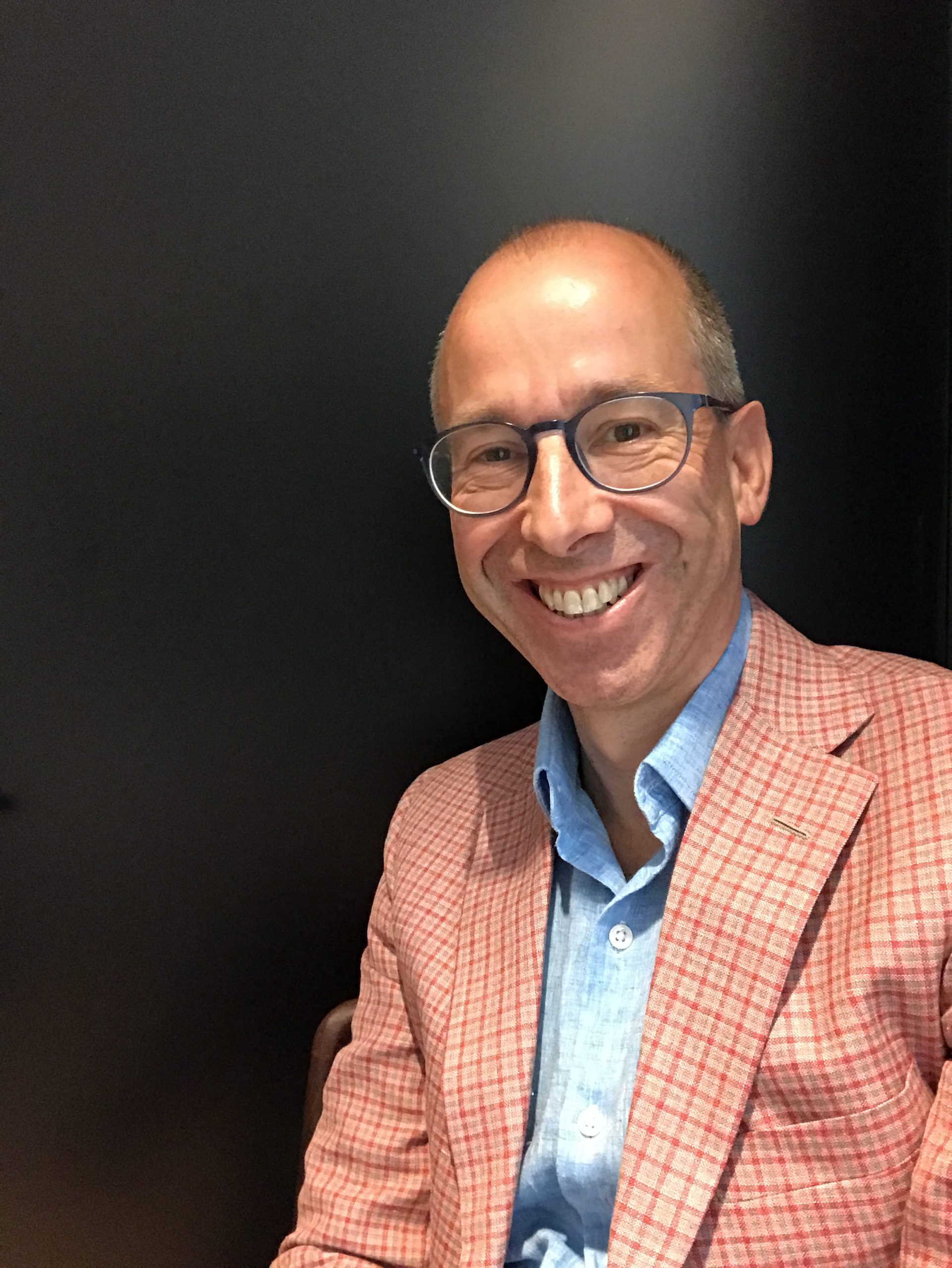 Richard became Chair of EAP in November 2025. He is an independent consultant specialising in infrastructure and sustainability. He is also a Fellow and Former Vice President of the Institution of Civil Engineers and a Trustee of Future-Fit Foundation. His overriding focus is the future of our planet and society. His website, richardthrelfall.org, carries his writing and films which seek to raise awareness on climate change and other issues of environmental and societal sustainability, and encourage action to enable a better future for everyone, everywhere.