By Soren Kirk Jensen, EAP Associate
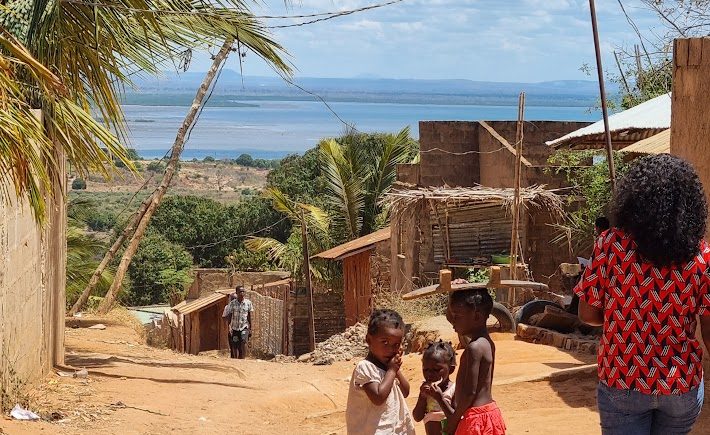
Engineers Against Poverty (EAP) has been an active partner in the PwC-led Green Cities, Energy and Infrastructure Programme (GCIEP) since its inception. In late 2023, EAP led the response to a request from the British High Commission in Maputo, Mozambique, to support Pemba municipality in finalising its Urban Structure Plan, a key strategic urban planning instrument that few Mozambican municipalities have managed to deliver.
This was successfully completed in collaboration with a team of Mozambican consultants under significant time pressure and a politically sensitive environment. The achievement represented a historic milestone for the city of Pemba, and it marked the start of a long partnership with the municipal administration under GCIEP. EAP has played a central role in this partnership which has broadly aimed to help the city prosper in alignment with the goals of GCIEP.
Mobilising finance for investments in green urban infrastructure and energy transition is more important than ever before.
Such investments are always made in a specific context that is influenced by many factors such as the socio-economic, political or financial environment. Ideally the environment is enabling investments but that is not always the case.
In Pemba, a new, proactive mayor took over in early 2024 but his administration inherited a major, un-serviced debt owed to commercial banks and suppliers. The fiscal position was also under pressure from low and irregular intergovernmental transfers and there was no medium-term fiscal planning for example to protect operations and maintenance expenditure. Major infrastructure investments were delivered by national agencies with very limited coordination, if any, with the municipal administration although they take over the assets when completed and the responsibility for operation and maintenance. This context is suboptimal both in terms of attracting any form of investments and to ensure their long-term sustainability.
We supported identifying these issues through a rigorous diagnostic process drawing on internationally recognised tools in close partnership with the municipal administration, including senior management. This created a common understanding of the main issues and how addressing them should be prioritised. In this process, the municipality has demonstrated remarkable commitment to challenging reforms and formally expressed their appreciation of support under GCIEP – but change does not happen overnight.
At times, the overarching goal of mobilising investments can overshadow concerns about the enabling environment and long-term sustainability of those investments, even though the two go hand in hand. Investors carry out due diligence and value stability and strong institutions, particularly in institutionally fragile settings.
This is what EAP has promoted in Pemba: helping the municipality get its public finances in order and develop projects that are properly appraised, feasible and affordable.
This includes improved debt and arrears management, ensuring that suppliers are paid, medium-term fiscal planning, and asset management to ensure, for example, that funds are secured for the operation and maintenance of public infrastructure.
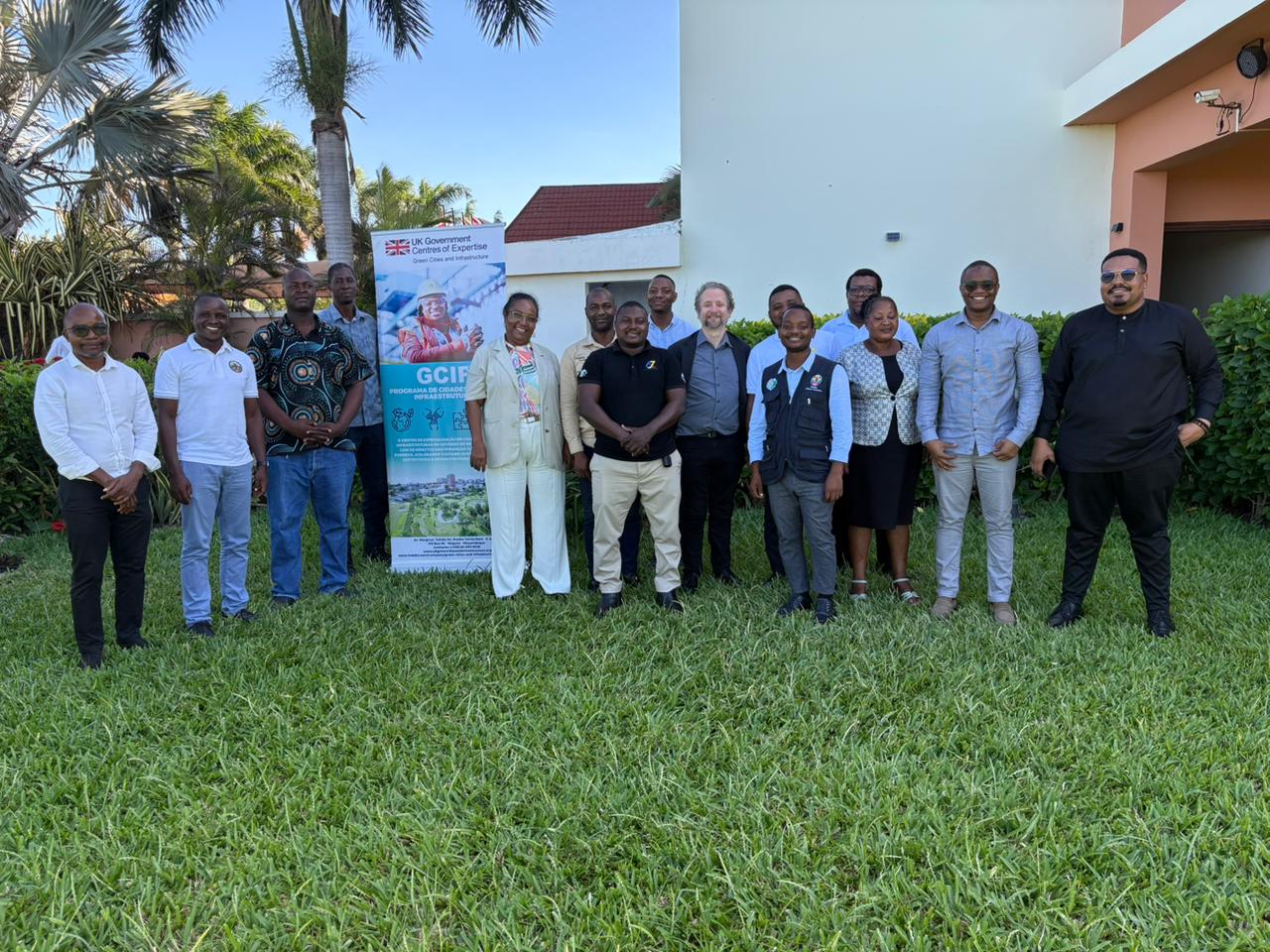
EAP support to Pemba culminated in an investor roundtable discussion in March, where the dedication and commitment of the municipality were rewarded by the African Development Bank committing US$500,000 to further develop a green bypass road project. This project has the potential to ease access to the Port of Pemba, where trucks carrying, for example, graphite used in batteries that are critical for the green transition currently pass through densely populated neighbourhoods. It will also improve mobility and create opportunities for the development of new urban areas and jobs. Other investors expressed interest in projects, such as waste management and an urban green park that would function as a sustainable urban drainage system with the potential to significantly improve livelihoods in the overcrowded city.
In the next phase of GCIEP, which will run from April to June 2026, EAP will continue working with the Municipality of Pemba to build on the lessons learned over the past years. A three-day workshop is being planned to learn and plan for the future with participation of all the three municipalities that have been supported by GCIEP in Mozambique. The workshop will be structured around “real life cases” for example related to strengthening procurement systems, access to climate finance, medium-term fiscal planning, affordability and safeguarding investments through transparency measures.
None of this could be achieved without a modern, committed, and responsible municipal leadership, which is leading the way and showing other municipalities in Mozambique how local development can be pursued.
 Soren has 25 years of experience in public policy and financial management and governance, with a particular focus on public investment management and infrastructure governance. He has worked extensively on supporting local governments in the planning, financing and oversight of public investment and government finances, with the broader objective of mobilising investments in sustainable infrastructure. He has a background in Public Financial Management and holds a double master’s degree in Public Administration and International Development.